Exploring the realm of Business Payroll Services That Reduce Tax and Compliance Risks, this introduction sets the stage for a detailed examination of how businesses can navigate these complex areas effectively.
Detailing the key aspects of payroll services and their impact on tax and compliance risks, this overview aims to provide valuable insights for businesses seeking to optimize their operations.
Importance of Business Payroll Services
Business payroll services play a crucial role in managing tax and compliance requirements for companies, offering numerous benefits and helping to mitigate risks.
Reducing Tax Risks
- Ensuring accurate calculation and timely payment of payroll taxes
- Compliance with changing tax laws and regulations
- Minimizing the risk of penalties or fines due to tax errors
Managing Compliance Risks
- Adhering to labor laws and regulations related to employee compensation
- Properly documenting payroll processes to meet audit requirements
- Reducing the risk of legal disputes or employee complaints related to payroll issues
Features of Effective Business Payroll Services
Effective business payroll services play a crucial role in reducing tax and compliance risks for companies. By ensuring accurate and timely payroll processing, these services can help businesses avoid costly penalties and errors. Let's explore some key features that effective business payroll services should have to mitigate tax and compliance risks.
Automation in Payroll Services
Automation in payroll services can significantly enhance tax and compliance management for businesses. By automating payroll processes, businesses can reduce the risk of human error and ensure compliance with tax regulations. Automated payroll systems can calculate wages, deductions, and taxes accurately, minimizing the chances of mistakes that could lead to compliance issues.
Integration with Accounting Software
Integration with accounting software is another essential feature of effective business payroll services. By integrating payroll systems with accounting software, businesses can streamline tax reporting and compliance processes. This integration allows for seamless transfer of payroll data to accounting systems, enabling accurate financial reporting and compliance with tax laws.
Businesses can also generate detailed reports and analysis easily, facilitating better tax planning and compliance management.
Ensuring Compliance with Tax Laws
Business payroll services play a crucial role in ensuring compliance with local, state, and federal tax laws. By staying up-to-date with the latest tax regulations and requirements, payroll services help businesses avoid costly penalties and fines.
Common Tax Compliance Challenges
- Calculating and withholding the correct amount of taxes from employee paychecks
- Ensuring timely and accurate tax filings with the appropriate government agencies
- Complying with changing tax laws and regulations at the local, state, and federal levels
- Managing payroll taxes for employees working in multiple states or jurisdictions
Examples of Tax Laws to Consider
-
Federal Income Tax
: Employers are required to withhold federal income tax from employee wages based on the employee's Form W-4.
-
FICA Taxes
: Employers must withhold Social Security and Medicare taxes from employee pay and contribute a matching amount
. -
State Income Tax
: Some states require employers to withhold state income tax from employee wages in addition to federal tax.
-
Unemployment Taxes
: Employers must pay federal and state unemployment taxes to fund unemployment benefits for eligible workers.
Mitigating Risks of Non-Compliance

Business payroll services play a crucial role in helping companies mitigate the risks of non-compliance with tax regulations. By ensuring accurate payroll processing and adherence to tax laws, these services can prevent costly mistakes and penalties that may arise due to non-compliance.
Consequences of Non-Compliance
- Penalties and fines: Non-compliance with tax laws can lead to hefty penalties and fines imposed by tax authorities.
- Legal implications: Failure to comply with tax regulations can result in legal actions, audits, and investigations, causing reputational damage to the business.
- Financial repercussions: Businesses may face financial losses due to penalties, interest charges, and additional taxes resulting from non-compliance.
Strategies to Reduce Risk of Penalties
- Regular audits: Conduct regular audits of payroll processes to identify and rectify any discrepancies or errors.
- Training and education: Provide training to staff members responsible for payroll processing to ensure they are aware of tax laws and compliance requirements.
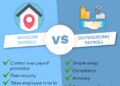
- Outsourcing payroll: Consider outsourcing payroll services to experienced professionals who specialize in tax compliance to reduce the risk of errors.
- Invest in technology: Use payroll software and systems that automate calculations and ensure accurate tax filings to minimize the risk of non-compliance.
Last Recap
In conclusion, the importance of Business Payroll Services That Reduce Tax and Compliance Risks cannot be understated. By leveraging the right services and strategies, businesses can proactively manage their tax obligations and regulatory compliance, ensuring long-term success and stability.
Common Queries
What are some common tax compliance challenges that businesses face?
Some common challenges include keeping up with changing tax laws, accurately calculating payroll taxes, and ensuring timely filings.
How can automation in payroll services enhance tax and compliance management?
Automation can reduce errors, streamline processes, and provide real-time data insights for better decision-making in tax compliance.
What are the consequences of non-compliance with tax laws?
Non-compliance can lead to penalties, fines, legal actions, and damage to a company's reputation, affecting its financial stability.