Exploring the realm of payroll systems for small businesses, this guide delves into crucial factors to consider, various types of systems, budget considerations, customization options, and integration strategies. Join us on this informative journey towards optimizing your business growth potential.
Factors to Consider
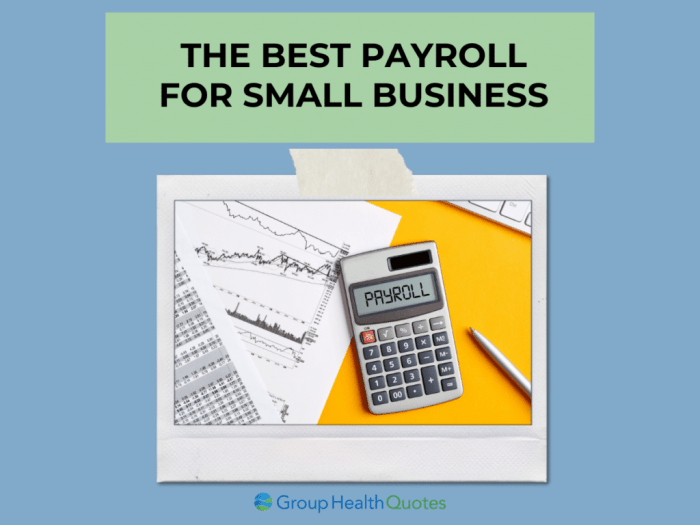
When choosing a payroll system for your small business, there are several key factors to consider to ensure smooth operations and support growth.
Scalability
One important factor to consider is scalability. As your business grows, your payroll needs will also increase. It is essential to choose a payroll system that can easily accommodate the growth of your company without causing disruptions or inefficiencies.
Compliance with Tax Laws
Ensuring compliance with tax laws and regulations is crucial for any business. A good payroll system should have built-in features that help you stay compliant with tax laws, avoiding penalties and legal issues.
Payroll Features
- Automated calculations for wages, taxes, and deductions
- Direct deposit capabilities for employee payments
- Integration with accounting software for seamless financial processes
- Employee self-service portals for easy access to pay stubs and tax information
- Reporting tools for insights into payroll expenses and trends
Types of Payroll Systems
When it comes to choosing the best payroll system for your small business, it's essential to understand the different types available and their respective advantages and disadvantages.
Cloud-Based Payroll Systems
- Cloud-based payroll systems offer the convenience of accessing payroll data from anywhere with an internet connection.
- These systems are often more cost-effective for small businesses, as they eliminate the need for expensive software and hardware.
- However, security concerns may arise due to the data being stored off-site, so it's crucial to choose a reputable provider with strong security measures in place.
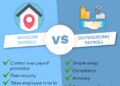
In-House Payroll Processing vs. Outsourcing Payroll Services
- In-house payroll processing involves handling all payroll tasks internally, which can give you more control over the process.
- Outsourcing payroll services to a third-party provider can save time and resources, allowing you to focus on other aspects of your business.
- While in-house processing may offer more customization options, outsourcing can provide access to expertise and compliance with changing regulations.
Benefits of Integrating Payroll with Other Business Systems
- Integrating payroll with other business systems, such as accounting or HR software, can streamline processes and improve efficiency.
- This integration can reduce errors and duplication of data, leading to more accurate financial reporting and compliance.
- By connecting payroll with other systems, you can gain valuable insights and analytics that can help inform strategic business decisions and drive growth.
Budget Considerations
When it comes to choosing the best payroll system for your small business, budget considerations play a crucial role in the decision-making process. Evaluating the cost-effectiveness of different payroll solutions is essential to ensure you are getting the best value for your money.
Cost Evaluation Tips
- Consider the initial setup costs, including software or hardware expenses.
- Look into ongoing subscription fees or maintenance costs for the payroll system.
- Factor in any additional costs for training employees on how to use the payroll system effectively.
- Compare pricing plans of different payroll providers to find one that fits your budget and offers the necessary features.
Potential Costs Breakdown
| Cost Category | Description |
|---|---|
| Initial Setup | Cost of purchasing software, hardware, or setting up cloud-based systems. |
| Subscription Fees | Monthly or annual fees for using the payroll system. |
| Training Costs | Expenses related to training employees on how to use the payroll system efficiently. |
| Maintenance Fees | Cost of updates, support, or any additional services provided by the payroll provider. |
ROI of Payroll System Investment
Investing in a reliable payroll system can lead to increased efficiency, reduced errors, and compliance with tax regulations, ultimately saving time and resources for your business.
Aligning Budget with Business Goals
- Identify your long-term business goals and how a payroll system can support them.
- Allocate a budget that allows for the implementation of a payroll system without compromising other essential areas of your business.
- Consider the potential ROI of investing in a quality payroll system as part of your business growth strategy.
Customization and Integration
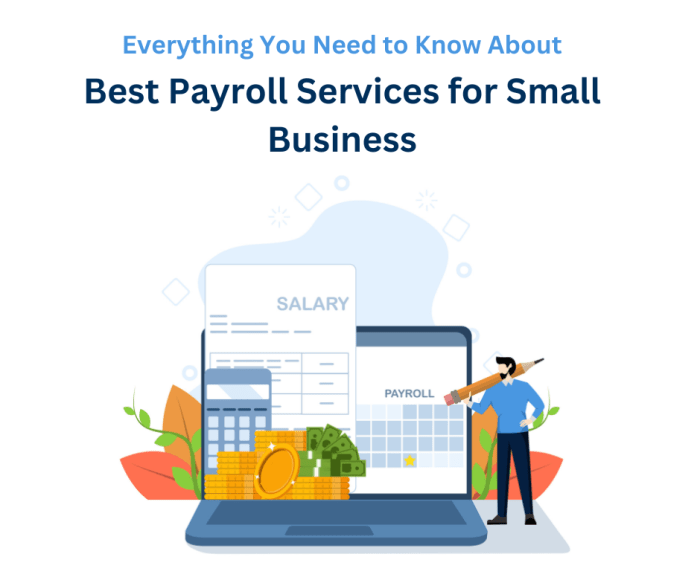
Customization and integration play a crucial role in optimizing payroll systems for the growth of small businesses. Let's delve into the importance of these aspects and how they can benefit your business.
Importance of Customization Options
Customization options in a payroll system allow small businesses to tailor the software to their specific needs and requirements. This flexibility ensures that the payroll system can adapt to the unique processes and workflows of the business, leading to increased efficiency and accuracy in payroll management.
Benefits of Integrating Payroll Software
- Streamlined Processes: Integrating payroll software with other business tools like accounting software eliminates the need for manual data entry and reduces the chances of errors.
- Improved Accuracy: By integrating payroll with other systems, data can flow seamlessly between different departments, ensuring consistency and accuracy in financial records.
- Enhanced Reporting: Integrated payroll systems can generate comprehensive reports that provide valuable insights into the financial health of the business, aiding in better decision-making.
Examples of Customization and Integration
For example, a customized payroll system can automate the calculation of employee bonuses based on specific criteria set by the business. Integration with accounting software can ensure that these bonuses are accurately reflected in financial statements and reports, without the need for manual adjustments.
Tailored Solutions for Growing Businesses
Customized payroll solutions can cater to the evolving needs of growing businesses, ensuring that the system grows alongside the business. By adapting the payroll system to accommodate new processes and requirements, businesses can scale efficiently and effectively manage their payroll operations.
Summary
In conclusion, selecting the right payroll system is a pivotal decision for fostering small business growth. By understanding the key elements discussed in this guide, you are better equipped to make informed choices that align with your business objectives. Elevate your business with the best payroll system tailored to your needs and watch your enterprise thrive.
Answers to Common Questions
What factors should small businesses consider when choosing a payroll system?
Small businesses should consider scalability, compliance with tax laws, and payroll features that support growth.
What are the advantages and disadvantages of cloud-based payroll systems?
Cloud-based systems offer flexibility and accessibility but may raise security concerns.
How can small businesses align budget considerations with long-term goals?
By evaluating the cost-effectiveness of different solutions and ensuring they support business growth objectives.